
Agent Harness 工程:Task System 与持久化任务图
Agent Harness 工程:Task System 与持久化任务图
晚上十一点,Agent 已经为搜索功能改完接口,正在补最后两条测试。
这时终端意外退出了。
第二天重新启动,模型仍然会分析代码,也仍然会调用工具。但它不知道昨天完成了什么,不知道测试跑到哪里,更不知道还有一个前端任务正在等待这个接口。
如果我们只保存了 messages,也许还能找回一部分对话;如果只保存了 Todo,或许还能看见几条待办。但它们都很难回答:
- 这项工作是否已经被某个 Agent 认领;
- 哪些任务可以并行,哪些必须等待;
- 上一个执行者的租约是否仍然有效;
- 中断前已经产生了哪些文件和结果;
- 新进程从哪里接手才不会重复劳动。
上一篇解决的是“一次运行里的错误恢复”。这一章继续向外走一步:即使整个运行过程消失,工作本身也不能跟着消失。
我们需要一个 Task System。
Todo 帮 Agent 记住,Task 帮系统记住
第 6 章实现的 TodoWrite 很有用。它能让 Agent 在当前任务里先列步骤,再逐项推进:
[x] 阅读搜索接口
[x] 修复分页边界
[ ] 补充空查询测试
[ ] 运行完整测试
但 Todo 更像工作台上的便签。它服务于当前会话、当前 Agent 和当前思路。
Task 则是一份可以交接的工作记录。它要跨会话、跨进程,甚至跨 Agent 保存:
目标是什么
依赖谁
现在是什么状态
由谁执行
执行权何时过期
上一次做到哪里
留下了哪些产物
最后如何完成或失败
所以两者不是替代关系:
Task System 管理一项工作从创建到完成的生命;Todo 管理某个执行者眼前的几步路。
Agent 认领 Task 之后,仍然可以用 TodoWrite 规划内部步骤。Task 被另一个进程接手时,新的 Agent 会根据 checkpoint 重新生成自己的 Todo,而不是继承一段已经过期的思考过程。
复杂工作不是清单,而是一张图
假设要交付一套搜索功能:
analyze            明确接口和验收条件
prepare-data       准备测试数据
build-api          实现 API,依赖 analyze
build-ui           实现界面,依赖 analyze
integration-test   集成测试,依赖 prepare-data、build-api、build-ui
build-api 和 build-ui 可以并行,integration-test 却必须等待三个前置任务全部完成。
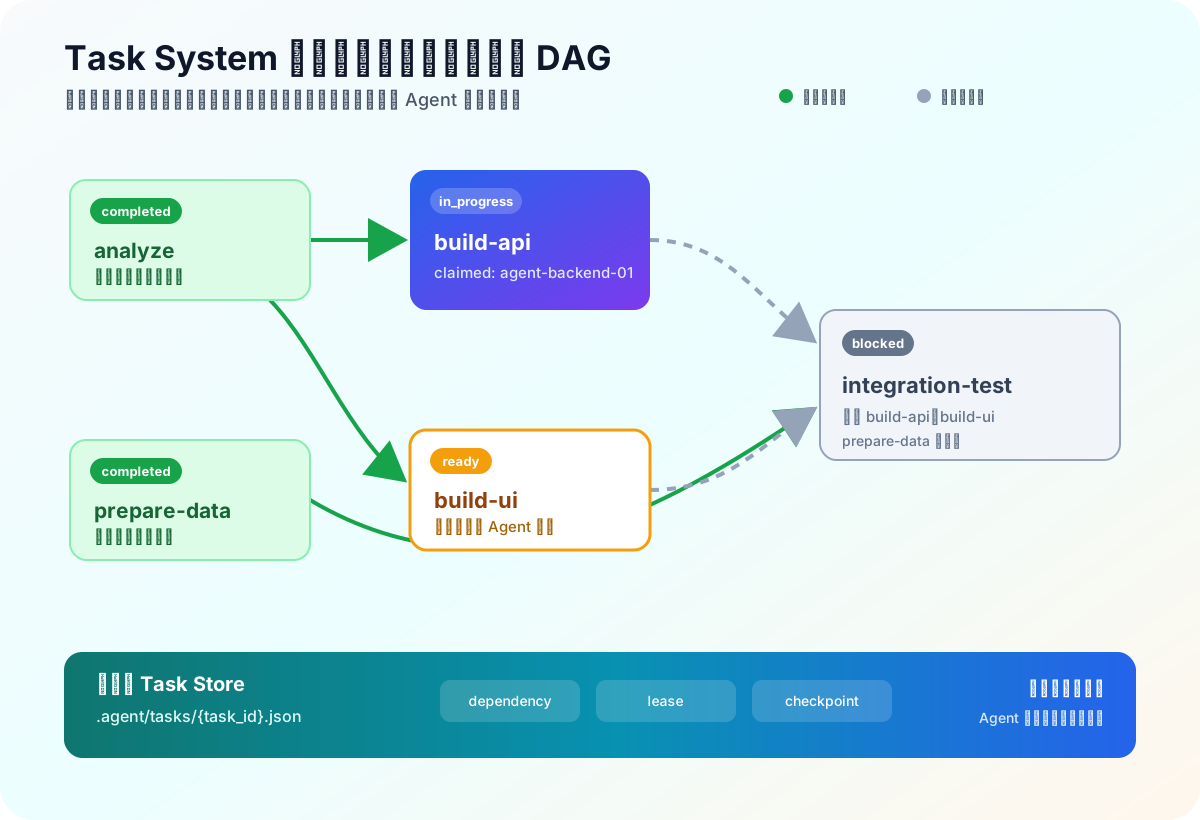
任务图让可以并行的工作自然展开,也让尚未满足依赖的工作保持安静。
这是一张有向无环图,也就是 DAG。最小实现先坚持四条规则:
- Task 不能依赖自己;
- 依赖必须真实存在;
- 依赖关系不能形成环;
- 只有前置 Task 进入
completed,依赖才算满足。
为了让文件型实现保持简单,我们还可以加一条约束:Task 创建后不再修改依赖,新 Task 只能依赖已经存在的 Task。
只要按拓扑顺序创建任务,新节点永远只指向旧节点,环就不会出现。以后要支持批量创建或动态改图,再用拓扑排序完整检查 DAG。
只保存事实,不保存可以计算的答案
Task 的持久化状态可以保持得很少:
from typing import Literal


TaskStatus = Literal[
    "pending",
    "in_progress",
    "completed",
    "failed",
    "cancelled",
]

TASK_STATUSES = {
    "pending",
    "in_progress",
    "completed",
    "failed",
    "cancelled",
}
你可能会问:ready 和 blocked 去哪里了?
它们不需要写进文件。
pending且所有依赖已完成,当前视图就是ready;pending且仍有依赖未完成,当前视图就是blocked;in_progress但租约已经过期,当前视图就是reclaimable。
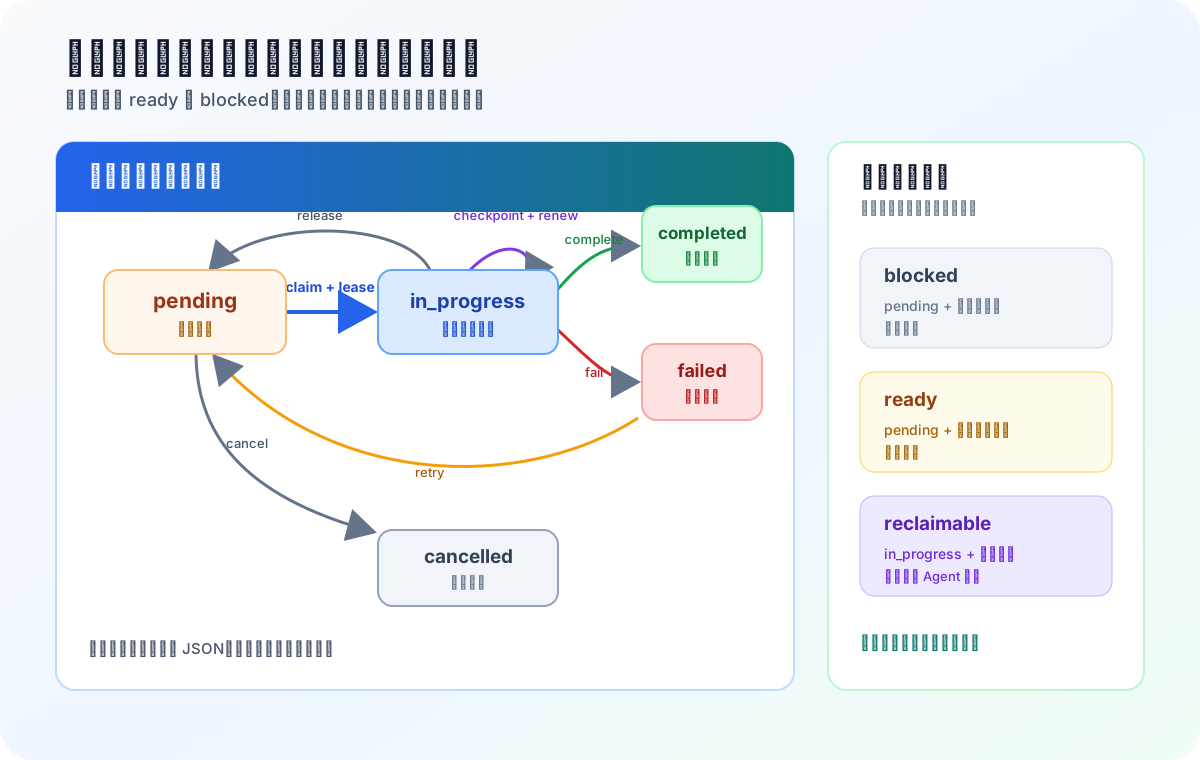
文件只保存稳定状态;是否就绪、阻塞或可接管,则根据依赖和租约实时推导。
这样做能避开一个很隐蔽的问题。
如果我们把 blocked 也写进文件,那么前置任务完成时,Harness 必须找到所有下游任务并逐个改成 ready。只要中间一次写入失败,同一张图就会同时出现“依赖已经完成”和“任务仍然阻塞”两个互相矛盾的事实。
派生状态不落盘,前置任务完成后也不必“解锁”任何文件。下一次查询时,下游任务自然变成 ready。
一条 Task 需要记住什么
最小 Task 可以这样定义:
from dataclasses import asdict, dataclass, field


@dataclass
class Task:
    id: str
    title: str
    description: str
    status: TaskStatus = "pending"
    dependencies: list[str] = field(default_factory=list)

    claimed_by: str | None = None
    claim_token: str | None = None
    lease_expires_at: str | None = None

    checkpoint: str | None = None
    artifacts: list[str] = field(default_factory=list)
    result: str | None = None
    error: str | None = None

    created_at: str = ""
    updated_at: str = ""
    schema_version: int = 1

    @classmethod
    def from_dict(cls, payload: dict) -> "Task":
        if payload.get("schema_version") != 1:
            raise ValueError("unsupported task schema version")

        task = cls(**payload)
        if task.status not in TASK_STATUSES:
            raise ValueError(f"invalid task status: {task.status}")
        if not all(
            isinstance(item, str) and item
            for item in task.dependencies
        ):
            raise ValueError("dependencies must contain task ids")
        return task

    def to_dict(self) -> dict:
        return asdict(self)
这些字段分成三层:
id、description、dependencies描述工作本身;status、claimed_by、claim_token、lease_expires_at描述执行所有权;checkpoint、artifacts、result、error帮助恢复和交接。
checkpoint 不保存模型的完整推理。它只保留一个新的执行者真正需要的事实:
已完成什么
当前卡在哪里
下一步建议做什么
相关文件、Job 或外部资源在哪里
隐藏推理既不稳定,也不是恢复任务所需的业务事实。
先把 Task 安稳地写到磁盘
最小版本可以把每个 Task 保存成独立 JSON:
.agent/
└── tasks/
    ├── analyze.json
    ├── build-api.json
    ├── build-ui.json
    └── integration-test.json
但不要直接用 Path.write_text() 覆盖目标文件。进程可能在写到一半时退出,留下半截 JSON。
更稳妥的写法是:在同一目录写临时文件,fsync() 后再原子替换。
import json
import os
import tempfile
from pathlib import Path


def atomic_write_json(path: Path, payload: dict) -> None:
    path.parent.mkdir(parents=True, exist_ok=True)
    temp_path: Path | None = None

    try:
        with tempfile.NamedTemporaryFile(
            mode="w",
            encoding="utf-8",
            dir=path.parent,
            prefix=f".{path.name}.",
            suffix=".tmp",
            delete=False,
        ) as temp_file:
            json.dump(
                payload,
                temp_file,
                ensure_ascii=False,
                indent=2,
                sort_keys=True,
            )
            temp_file.write("\n")
            temp_file.flush()
            os.fsync(temp_file.fileno())
            temp_path = Path(temp_file.name)

        os.replace(temp_path, path)
    finally:
        if temp_path is not None and temp_path.exists():
            temp_path.unlink()
认领 Task 又是一次“先读后写”。两个 Agent 如果同时读到 pending,都可能认为自己认领成功。因此单机多进程还需要一把文件锁:
import fcntl
import re
from contextlib import contextmanager
from typing import Iterator


TASK_ID_PATTERN = re.compile(
    r"^[a-z0-9][a-z0-9-]{0,63}$"
)


class TaskStoreError(RuntimeError):
    pass


class TaskUnavailableError(TaskStoreError):
    pass


class TaskStore:
    def __init__(self, root: Path):
        self.root = root.resolve()
        self.root.mkdir(parents=True, exist_ok=True)
        self.lock_path = self.root / ".lock"

    def _task_path(self, task_id: str) -> Path:
        if not TASK_ID_PATTERN.fullmatch(task_id):
            raise TaskStoreError(f"invalid task id: {task_id}")
        return self.root / f"{task_id}.json"

    @contextmanager
    def locked(self) -> Iterator[None]:
        with self.lock_path.open("a+") as lock_file:
            fcntl.flock(lock_file.fileno(), fcntl.LOCK_EX)
            try:
                yield
            finally:
                fcntl.flock(lock_file.fileno(), fcntl.LOCK_UN)

    def _read_unlocked(self, task_id: str) -> Task:
        path = self._task_path(task_id)
        if not path.exists():
            raise TaskStoreError(f"unknown task: {task_id}")
        try:
            payload = json.loads(path.read_text("utf-8"))
            task = Task.from_dict(payload)
        except (OSError, TypeError, ValueError) as exc:
            raise TaskStoreError(
                f"cannot read {path.name}: {exc}"
            ) from exc
        if task.id != task_id:
            raise TaskStoreError("task id does not match file name")
        return task

    def _list_unlocked(self) -> list[Task]:
        return [
            self._read_unlocked(path.stem)
            for path in sorted(self.root.glob("*.json"))
        ]

    def _write_unlocked(self, task: Task) -> None:
        task.updated_at = utc_now_text()
        atomic_write_json(
            self._task_path(task.id),
            task.to_dict(),
        )

    def get(self, task_id: str) -> Task:
        with self.locked():
            return self._read_unlocked(task_id)

    def list(self) -> list[Task]:
        with self.locked():
            return self._list_unlocked()
TASK_ID_PATTERN 不只是命名偏好,也是一条路径安全边界。Task ID 不能包含 /、.. 或其它能逃出任务目录的内容。
flock 适合 macOS 和 Linux 上的单机实现。多个 Agent 如果运行在不同机器上,就要换成 SQLite、PostgreSQL 或其它支持事务与条件更新的存储。文件锁不是分布式事务。
创建 Task 时,稳定 ID 同时充当幂等键:相同 ID、相同定义返回原记录;相同 ID 对应不同内容则明确冲突。
def create_task(
    store: TaskStore,
    task_id: str,
    title: str,
    description: str,
    dependencies: list[str] | None = None,
) -> Task:
    raw_dependencies = dependencies or []
    if not all(
        isinstance(item, str)
        and TASK_ID_PATTERN.fullmatch(item)
        for item in raw_dependencies
    ):
        raise TaskStoreError(
            "dependencies must contain valid task ids"
        )
    dependency_ids = sorted(
        set(raw_dependencies)
    )
    title = title.strip()
    description = description.strip()
    if not title or not description:
        raise TaskStoreError(
            "title and description are required"
        )

    with store.locked():
        target = store._task_path(task_id)
        if target.exists():
            existing = store._read_unlocked(task_id)
            if (
                existing.title == title
                and existing.description == description
                and existing.dependencies
                == dependency_ids
            ):
                return existing
            raise TaskStoreError(
                "task id has another definition"
            )

        existing = {
            task.id: task
            for task in store._list_unlocked()
        }
        if task_id in dependency_ids:
            raise TaskStoreError(
                "task cannot depend on itself"
            )
        missing = [
            item
            for item in dependency_ids
            if item not in existing
        ]
        if missing:
            raise TaskStoreError(
                f"unknown dependencies: {missing}"
            )

        now = utc_now_text()
        task = Task(
            id=task_id,
            title=title,
            description=description,
            dependencies=dependency_ids,
            created_at=now,
            updated_at=now,
        )
        store._write_unlocked(task)
        return task
如果 Task 文件已经落盘、工具响应却在返回途中丢失,模型重试会得到同一条记录,而不是创建重复工作。
依赖决定能否开始,租约决定谁能继续
先根据任务图计算未完成依赖:
def unresolved_dependencies(
    task: Task,
    tasks: dict[str, Task],
) -> list[str]:
    return [
        dependency_id
        for dependency_id in task.dependencies
        if dependency_id not in tasks
        or tasks[dependency_id].status != "completed"
    ]
当多个 Agent 同时看到同一个 ready Task 时,真正的执行权必须通过存储锁竞争。
只记录 claimed_by 还不够。Agent 崩溃后,这项工作会永远停在 in_progress。所以每次认领还要带一份会过期的租约:
from datetime import datetime, timedelta, timezone


UTC = timezone.utc


def utc_now() -> datetime:
    return datetime.now(UTC)


def utc_now_text() -> str:
    return utc_now().isoformat(timespec="seconds")


def lease_is_active(
    task: Task,
    now: datetime | None = None,
) -> bool:
    if not task.lease_expires_at:
        return False

    expires_at = datetime.fromisoformat(
        task.lease_expires_at
    )
    if expires_at.tzinfo is None:
        raise TaskStoreError("lease timestamp needs timezone")
    current = now or utc_now()
    if current.tzinfo is None:
        raise TaskStoreError("current time needs timezone")
    return expires_at.astimezone(UTC) > current.astimezone(UTC)
认领、依赖检查和状态写入必须在同一个临界区:
def claim_task_unlocked(
    store: TaskStore,
    tasks: dict[str, Task],
    task: Task,
    agent_id: str,
    claim_token: str,
    lease_seconds: int = 300,
) -> Task:
    if not claim_token.strip():
        raise TaskStoreError("claim token is required")
    lease_seconds = max(30, min(lease_seconds, 3600))

    if task.status in {"completed", "failed", "cancelled"}:
        raise TaskUnavailableError(
            f"task is already {task.status}"
        )

    if task.status == "in_progress" and lease_is_active(task):
        same_claim = (
            task.claimed_by == agent_id
            and task.claim_token == claim_token
        )
        if same_claim:
            return task
        raise TaskUnavailableError(
            f"task is owned by {task.claimed_by}"
        )

    blocked_by = unresolved_dependencies(task, tasks)
    if blocked_by:
        raise TaskUnavailableError(
            f"task is blocked by {blocked_by}"
        )

    task.status = "in_progress"
    task.claimed_by = agent_id
    task.claim_token = claim_token
    task.lease_expires_at = (
        utc_now() + timedelta(seconds=lease_seconds)
    ).isoformat(timespec="seconds")
    store._write_unlocked(task)
    return task


def claim_task(
    store: TaskStore,
    task_id: str,
    agent_id: str,
    claim_token: str,
    lease_seconds: int = 300,
) -> Task:
    with store.locked():
        tasks = {
            task.id: task
            for task in store._list_unlocked()
        }
        task = tasks.get(task_id)
        if task is None:
            raise TaskUnavailableError("task does not exist")
        return claim_task_unlocked(
            store=store,
            tasks=tasks,
            task=task,
            agent_id=agent_id,
            claim_token=claim_token,
            lease_seconds=lease_seconds,
        )
这里有两个身份:
agent_id是稳定的逻辑身份,例如backend;claim_token是本次进程生成的随机令牌。
同一个 agent_id 的旧进程不能拿着过期现场继续写 Task,因为新的执行者会使用不同 token。后续 checkpoint、release、complete 和 fail 都必须同时校验这两个值。
不过,随机 claim_token 只保护 Task Store。它不是外部数据库、部署平台或支付接口的 fencing token。外部副作用仍然需要自己的条件更新和幂等机制。
Checkpoint 是留给下一位执行者的路标
长 Task 要定期保存 checkpoint,并顺便续租:
def ensure_task_owner(
    task: Task,
    agent_id: str,
    claim_token: str,
) -> None:
    if task.status != "in_progress":
        raise TaskStoreError("task is not in progress")
    if task.claimed_by != agent_id:
        raise TaskStoreError("task belongs to another agent")
    if task.claim_token != claim_token:
        raise TaskStoreError("claim token does not match")
    if not lease_is_active(task):
        raise TaskStoreError("task lease has expired")


def checkpoint_task(
    store: TaskStore,
    task_id: str,
    agent_id: str,
    claim_token: str,
    summary: str,
    artifacts: list[str] | None = None,
    renew_seconds: int = 300,
) -> Task:
    summary = summary.strip()
    if not summary or len(summary) > 4000:
        raise TaskStoreError("invalid checkpoint summary")
    new_artifacts = artifacts or []
    if not all(
        isinstance(item, str) and item.strip()
        for item in new_artifacts
    ):
        raise TaskStoreError(
            "artifacts must contain paths"
        )

    with store.locked():
        task = store._read_unlocked(task_id)
        ensure_task_owner(task, agent_id, claim_token)

        task.checkpoint = summary
        task.artifacts = list(
            dict.fromkeys(
                [
                    *task.artifacts,
                    *(
                        item.strip()
                        for item in new_artifacts
                    ),
                ]
            )
        )[:20]
        task.lease_expires_at = (
            utc_now()
            + timedelta(
                seconds=max(30, min(renew_seconds, 3600))
            )
        ).isoformat(timespec="seconds")
        store._write_unlocked(task)
        return task


def renew_task_lease(
    store: TaskStore,
    task_id: str,
    agent_id: str,
    claim_token: str,
    renew_seconds: int = 300,
) -> Task:
    with store.locked():
        task = store._read_unlocked(task_id)
        ensure_task_owner(task, agent_id, claim_token)
        task.lease_expires_at = (
            utc_now()
            + timedelta(
                seconds=max(30, min(renew_seconds, 3600))
            )
        ).isoformat(timespec="seconds")
        store._write_unlocked(task)
        return task
其余状态操作沿用同一模式:
task_release
  校验所有权 -> 回到 pending -> 保留 checkpoint

task_complete
  校验所有权 -> 写入 result -> 进入 completed

task_fail
  校验所有权 -> 写入 error -> 进入 failed

task_retry
  确认原状态为 failed -> 清除 error -> 回到 pending
claim_task() 会拒绝直接认领 failed Task。只有显式调用 task_retry,经过重试次数、权限和副作用检查后,它才会重新回到 pending;失败不会触发自动重跑。
完成、失败和释放后都要清空 claimed_by、claim_token 与租约。
这些操作还应具备幂等语义。比如同一个 Task 已经以相同 result 完成,重复的 task_complete 可以返回现有记录;如果 result 不同,则必须报告冲突,而不是覆盖第一次完成。
中断之后,新的 Agent 怎样接手
Harness 重启时不需要恢复模型的完整对话。它只要恢复事实:
- 读取 Task Store;
- 查找自己仍在有效租约内的 Task;
- 否则优先选择自己以前留下、但租约已经过期的 Task;
- 再选择普通
readyTask; - 在锁内重新认领,处理“刚刚被别人抢走”的竞争;
- 读取 description、checkpoint 和 artifacts;
- 检查真实文件与外部状态,再生成新的 Todo。
租约过期只意味着“原执行者不再拥有写入权”,不意味着它做过的事情全部无效。
例如 checkpoint 写着:
搜索接口已经修改。
待运行 tests/test_search.py。
候选文件:src/search.py、tests/test_search.py。
新的 Agent 应先查看这两个文件和 Git 状态,确认现场仍然存在,再继续测试。恢复不是相信旧摘要,而是用旧摘要快速找到需要重新验证的地方。
模型只能通过 Task 工具改状态
不要提供一个可以任意覆盖字段的 task_update。更清楚的工具边界是:
task_create
task_list
task_get
task_claim
task_checkpoint
task_release
task_complete
task_fail
task_retry
模型只提供业务参数。agent_id 与 claim_token 由 Harness 注入,也不能出现在工具返回值里。
.agent/tasks 还必须对通用文件工具和 Shell 保持只读。否则模型可以绕过依赖检查和所有权校验,直接把任意 JSON 改成 completed。
这条保护不能只写在 write_file 里。bash、脚本执行器和后台进程同样可能通过重定向修改 Task Store。真正可靠的边界是:只有 Task Store 服务拥有写权限,任务沙箱看到的是只读挂载。
一次任务如何穿过 Task System
回到开头的搜索功能。
Lead 先创建 analyze,再创建依赖它的 build-api 和 build-ui,最后创建 integration-test。
当 analyze 完成后,两个实现任务自然变成 ready。Backend Agent 认领 build-api,得到一份五分钟租约,随后用 TodoWrite 规划阅读代码、修改接口、补测试和运行验证。
每完成一段工作,它就保存 checkpoint 并续租。终端退出后,Task 仍然停在 in_progress,代码与 artifact 也仍在原位置。租约过期后,新的 Agent 可以重新认领,根据 checkpoint 检查现场并继续。
只有当 build-api 真正进入 completed,依赖它的后续任务才会解锁。一条“接口写好了”的聊天消息,不会改变任务图。
Task System 因此做了一件很朴素、也很关键的事:
它让工作不再依附于某一次对话,而是成为系统中可以查询、交接和恢复的事实。
几条不能省略的边界
实现最小 Task System 时,最容易出错的地方可以收束成六条:
ready、blocked和reclaimable应实时计算,不要重复持久化;- 认领必须在同一事务或锁内完成“检查并写入”;
- 只有租约没有 checkpoint,接手者仍然不知道做到哪里;
- 只有
agent_id没有claim_token,旧进程仍可能继续写入; - Task 文件要原子替换,不能冒险留下半截 JSON;
- Task Store 必须与模型可写的普通工作区隔离。
本章的 JSON 加 flock 适合本地 Harness。真正的分布式团队会把这套模型迁到支持事务、唯一约束和条件更新的数据库中,但 Task 的核心语义不需要随之改变。
小结
这一章把会话里的 Todo 升级成了可以穿过进程与时间的 Task System:
- DAG 表达任务依赖;
- 稳定状态落盘,派生状态实时计算;
- 原子 JSON 和存储锁保护单机并发;
claimed_by + claim_token + lease建立执行所有权;- checkpoint、artifact、result 和 error 支持恢复与交接;
- 专用 Task 工具守住状态转换边界。
现在,即使 Agent 中途离开,任务也仍然知道自己在哪里。
不过,Task 只描述“要完成什么”。如果下一步是运行二十分钟测试,当前 Agent Loop 仍然会一直等在那里,既不能推进其它工作,也很容易让租约悄悄过期。
下一章继续处理这个等待问题:把一次耗时执行抽成 后台 Job,让命令先启动、Agent 先离开,等结果出现时再回来。